
COPD - Getting Older Doesn't Always Mean Shortness of Breath
November 16, 2026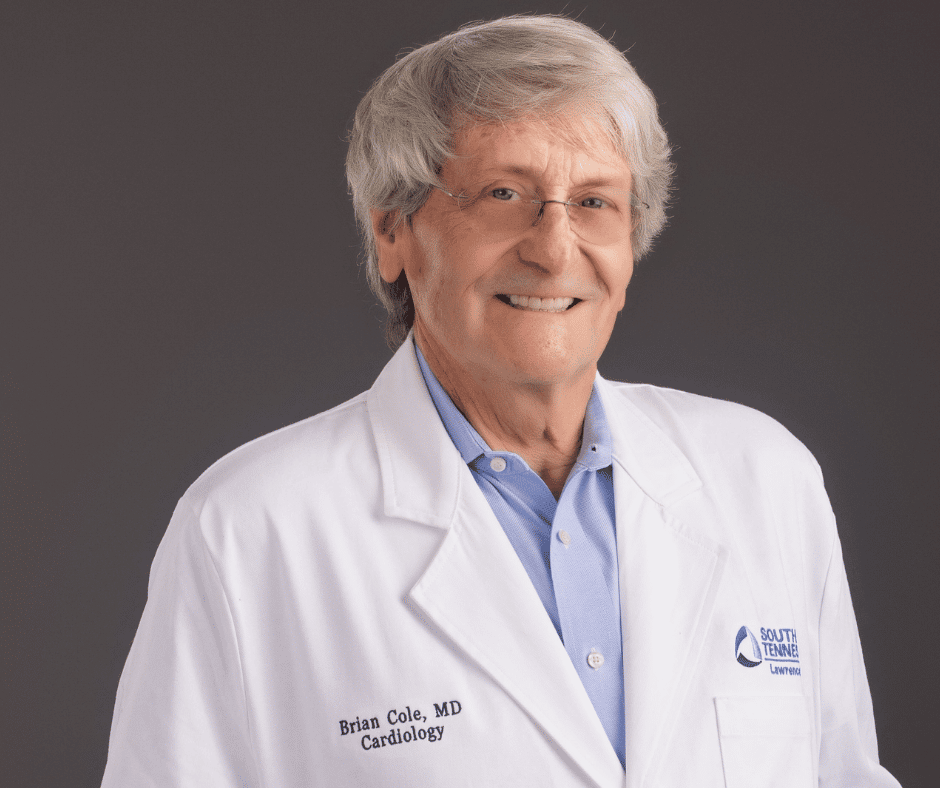
Getting winded walking to the mailbox, climbing stairs or carrying groceries can be easy to blame on getting older. But persistent shortness of breath shouldn’t simply be ignored.
Dr. Brian Cole, cardiologist at Southern Tennessee Heart, encourages patients to pay attention when everyday activities begin to feel more difficult. Shortness of breath can have many causes involving the heart, lungs or other conditions, making a conversation with your healthcare provider an important first step.
One possible cause is chronic obstructive pulmonary disease (COPD), a group of lung diseases that includes emphysema and chronic bronchitis. Common symptoms include frequent coughing or wheezing, shortness of breath during everyday activities, difficulty taking a deep breath and increased mucus or phlegm.
Although, smoking is the leading cause of COPD in the United States, people who have never smoked can develop the disease, too. Secondhand smoke and long-term exposure to dust, chemicals, fumes or other lung irritants may also increase risk.
If you currently smoke or smoked in the past, make sure your healthcare provider knows.
If you have ongoing shortness of breath, chronic coughing, wheezing or increased mucus, talk with your provider. Spirometry, a simple lung function test that measures how much air you can breathe in and force out, can help detect COPD. Don’t ignore changes in your breathing. If shortness of breath is interfering with everyday activities, talk with your healthcare provider. Because shortness of breath can sometimes be related to heart health as well as lung health, evaluation can help determine what may be causing your symptoms and what steps to take next.
For cardiac evaluation close to home, contact: Southern Tennessee Heart at 931-766-0077
COPD has no cure, but it can be treated, and early diagnosis can help patients manage symptoms and quality of life.
This November, during COPD Awareness Month, don’t automatically chalk changes in your breathing up to age. Listen to your body and talk with your healthcare provider.