
Skin Cancer: An Ounce of Prevention is Worth a Pound of Cure
July 06, 2026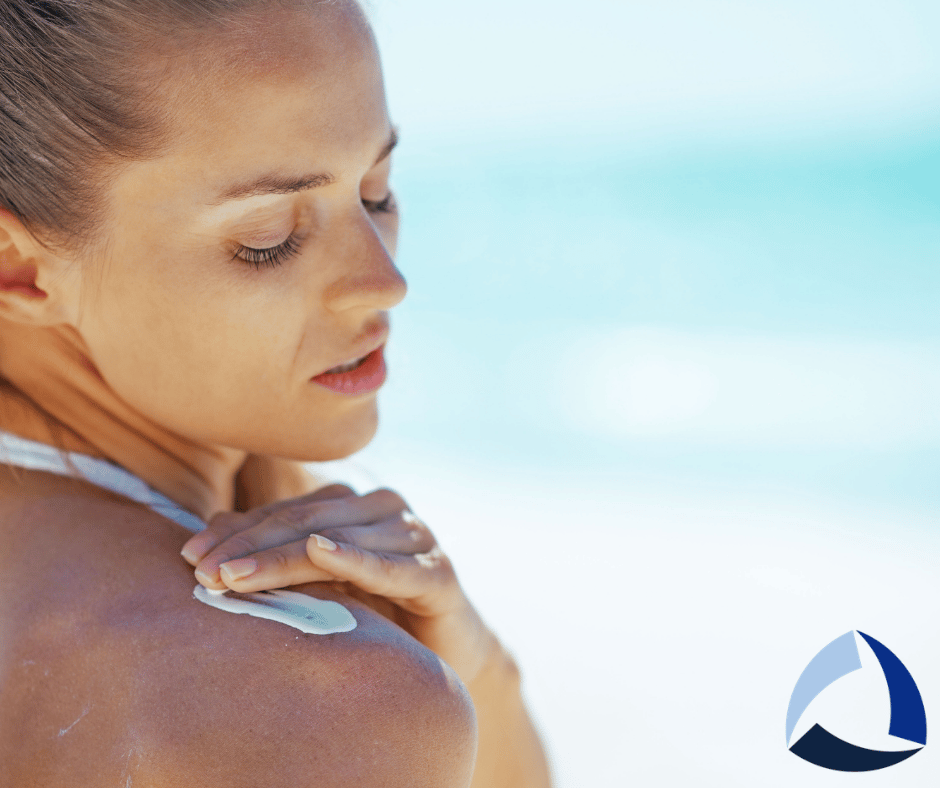
As we hit the peak of summer in July, the importance of sun safety takes center stage. Year-round, our doctors, our friends, and even our favorite lifestyle personalities remind us to wear sunscreen, choose high-SPF protective hats, and limit direct exposure during peak hours. Despite these ongoing warnings, skin cancer remains the most common form of cancer in the United States, with more than 5.5 million cases diagnosed annually. Out of these, a projected 234,000 cases will be melanoma—the most serious and aggressive type of skin cancer—making proactive sun safety more critical than ever during our outdoor summer activities.
According to Dr. Sheldon Harigel at Southern Tennessee Family Medicine, there are three main types of skin cancer, including non-melanoma basal cell carcinoma, non-melanoma squamous cell carcinoma and melanoma.
Non-melanoma basal cell carcinoma and non-melanoma squamous cell carcinoma are usually found on sun-exposed areas of the body, such as the face, lips, neck, ears and back of the hands. They typically don’t spread to other parts of the body and have a high likelihood of being cured if detected and treated early.
Melanoma is much more aggressive than more common forms of skin cancer like basal cell and squamous cell carcinoma, and it stands as one of the most frequently diagnosed cancers among young adults—particularly young women. Because it originates in the skin’s pigment-producing cells (melanocytes) beneath the surface, it can often be difficult to detect early on. While it accounts for only about 1% of all skin cancer diagnoses, it remains the deadliest form; in 2026, it is projected to cause an estimated 8,510 of the nation's skin cancer-related deaths.
According to the American Cancer Society, skin cancer is often curable, if caught and treated in its early stages. Symptoms of skin cancer include: any change in the size or color of a mole or other darkly pigmented growth or spot; any new skin growth; the spread of pigmentation beyond a growth’s border, such as dark coloring that spreads past the edge of a mole or mark; a change in sensation, itchiness, tenderness or pain of a growth or spot or scaliness, oozing, bleeding or change in the overall appearance of a bump or nodule.
While unprotected sun exposure has been strongly linked to skin cancer, the American Cancer Society suggests these other skin cancer risk factors: unprotected and/or excessive exposure to ultraviolet radiation, such as that used in a tanning bed; a history of severe sunburns, fair complexion; family history; multiple or atypical moles; and occupational exposures to coal tar, pitch, creosote, arsenic compounds or radium.
“Being aware of risk factors and ensuring you get regular skin exams by your physician can greatly reduce your chances of developing skin cancer,” says Dr. Harigel. “It’s also important to get suspicious moles or other growths looked at as soon as they’re discovered. Skin cancer can be highly treatable, but early detection is critical.”
Consider these tips for helping prevent skin cancer: ·avoid prolonged sun exposure, especially between 10 a.m. and 4 p.m.; use a sunscreen with an SPF of 15+ every day; reapply sunscreen every two hours and cover up with clothing, including a hat and UV-blocking sunglasses, whenever possible; examine your skin from head-to-toe every month, and see your physician for a professional skin exam each year and keep newborns out of the sun, as sunscreens should only be used on babies over the age of six months.